Sound & Visual Research · 2020
The Lightwell
A video and auditory research project on sound, domestic thresholds, and public life.
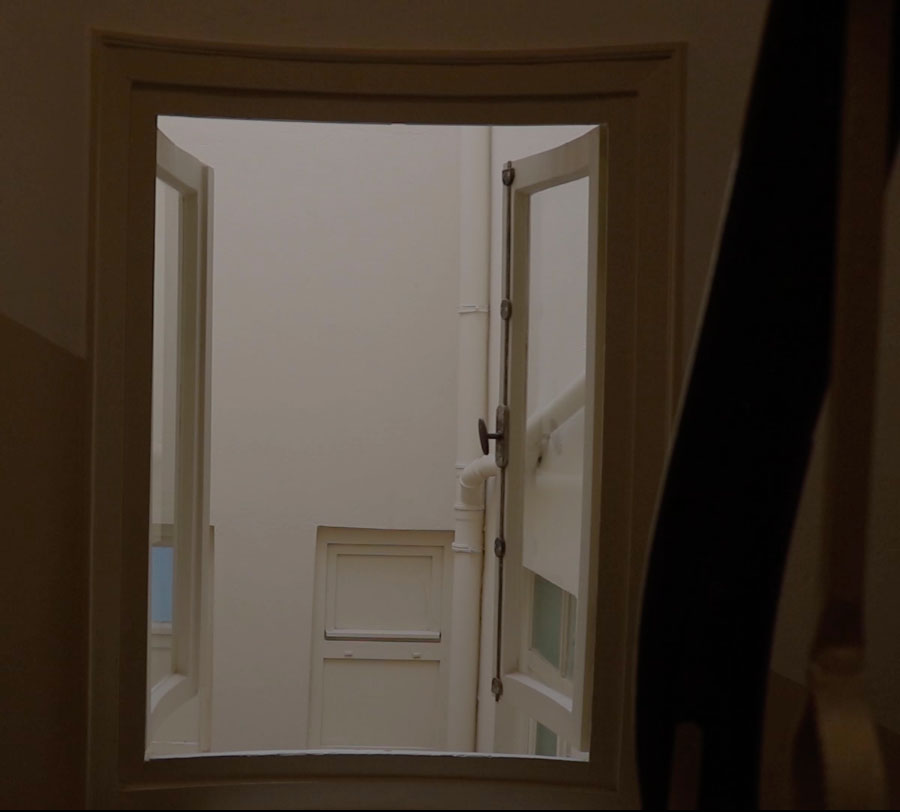
The Lightwell (Boşluk)
7', 2020
Turkish | Camera and editing: Begüm Özden Fırat
Sound mix: Sair Sinan Kestelli
This video is produced for Altyazı Fasikül: Free Cinema’s Looking Outside video series.
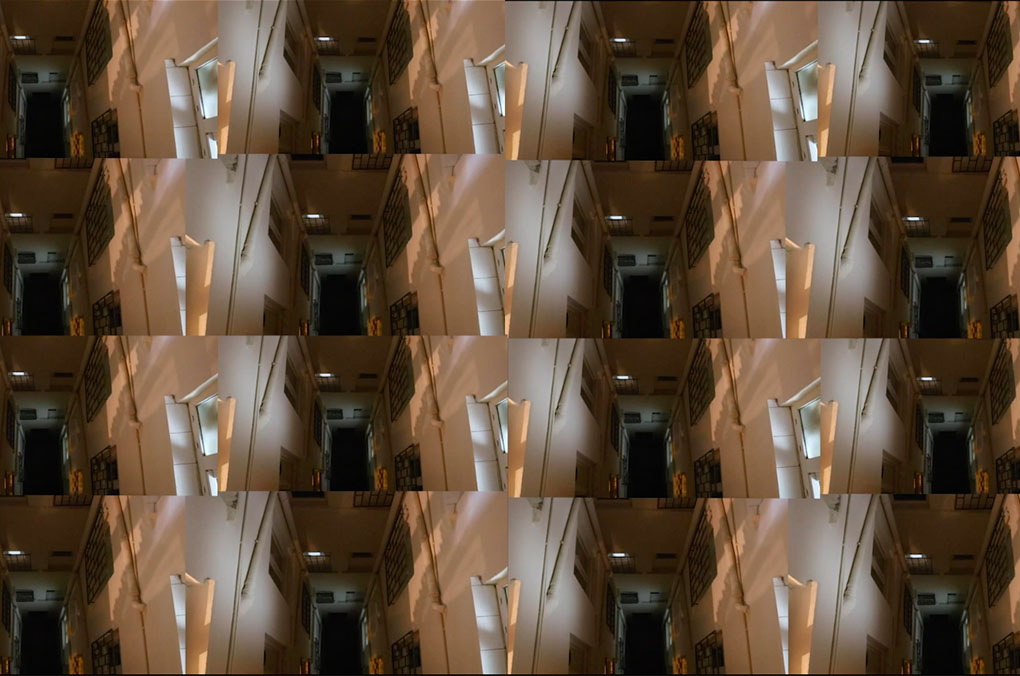
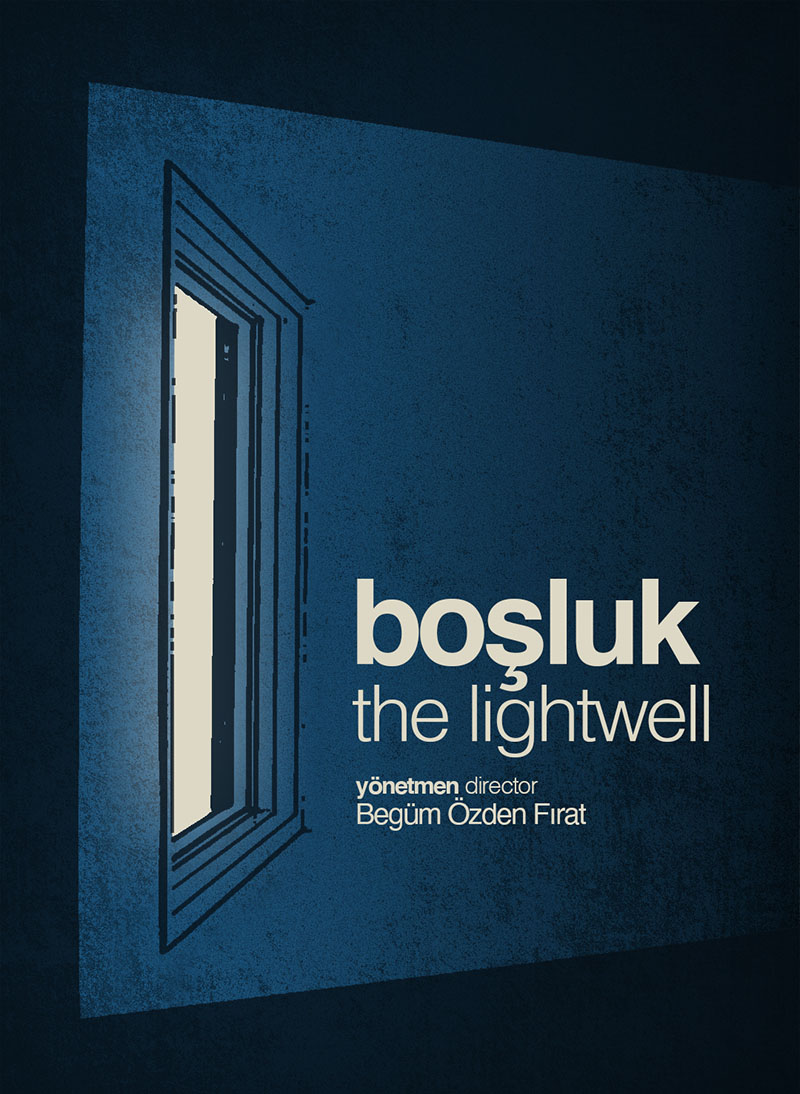
Sounds infiltrate, from inside to outside, and outside to inside... ‘The Lightwell’ listens to the sounds that intensify inside a building during the first months of COVID-19 pandemic. This is an auditory experience that everyone, who has the luxury to stay at their homes during the pandemic, went through. As people withdrew to their homes, the sounds that come from apartments increased; “private” sounds mixed with “public” sounds that leaked from outside into inside. Begüm Özden Fırat finds a visual representation to this auditory experience by turning her camera into the lightwell of the building, where all the sounds accumulated. With its curtains, windows and pipes; the lightwell is much like a concrete gullet that swallows all the sounds of the pandemic period, unknown to the inhabitants of the building. The sounds of public celebrations of cyclical national and political events (such as April 23 National Sovereignty and Children's Day, May 19 The Commemoration of Atatürk, Youth and Sports Day when the whole neighbourhood sang the national anthem as well as the celebration of the MayDay and May 31 the anniversary of the Gezi Uprising when people chanted revolutionary songs and slogans on their balconies and windows) also sneak into the lightwell and from there into the so-called nucleus of the private realm, home. ‘The Lightwell’, especially with its final scene, finds its meaning as a video-work with a focus on the border between the public and the private. Begüm Özden Fırat is participant of a research project that explores the place of sounds within Kurtuluş/Tatavla district’s daily life; and ‘The Lightwell’ also traces the changes in her relationship with her own research practices. With its cumulative screens and inside-building encounters, ‘The Lightwell’ explores the lines between positions of “building inhabitant”, “eavesdropper” and “researcher” as much as the borders between the private and the public.
While all political regimes regulate socio-cultural soundscapes, authoritarian regimes might have intricate ways of controlling the auditory and other sensory aspects of public life. The neoliberal authoritarian populist regime of Erdoğan and the Justice and Development Party (Adalet ve Kalkınma Partisi- AKP) not only represses social and political movements and impedes individual rights to assembly but also denies them the right to speak up and be heard. Yet, while public gatherings are suppressed, social movements develop distinctive ways of making themselves heard by inventing new forms of collective action without necessarily coming together physically.1 There are different auditory tactics used by diverse movements as a response to the sensory restrictions and regulations of the existing political regime. The Lightwell focuses on the so-called “noise actions”, re-invented during COVID-19 lockdowns in the intersection of the drastic intensification of repression of social movements and socio-spatial restrictions during the first wave of the pandemic.
The first COVID-19 case in Turkey was announced in March 2020. In the aftermath, cities went gradually quiet as the practices of lockdown and self-isolation became the urban rule. Yet, pandemic cities had a “polyphonic” touch to them even when they were thought to be completely silent. Kate Wagner proposes to think of the pandemic cities as a combination of silenced urban centers on the one hand and massive crowds and noisy protests, such the Black Lives Matter protests, on the other. She argues that these two soundscapes encapsulate an age-old battle between noise and silence, which is a struggle for control over city life and “resolving the conflict between them demands facing broader issues of environmental, social, and political power.” 2
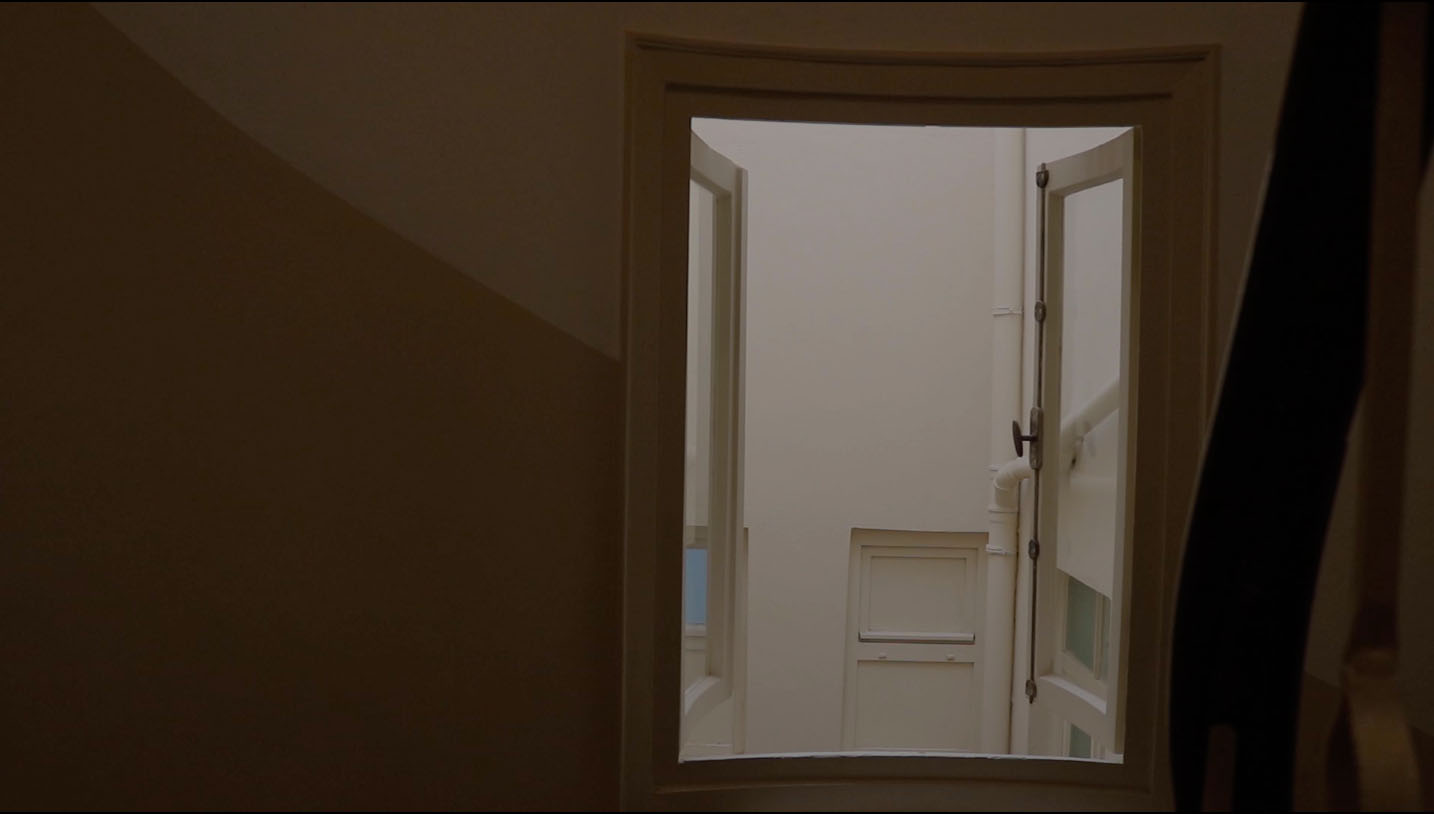
As Wagner underlines, this sonic struggle between noise and silence endured not only in urban centers but also in the peripheries. During the so-called first state-imposed lockdown, which took place roughly between March and July 2020 all over Turkey, cyclical protests, public celebrations, and commemorations were performed noisily on the thresholds of dwellings—such as windows and balconies—enabling people to join in collective protest and joy without leaving their homes. In this sense, it is plausible to argue that while the imposition of lockdowns gave the state a chance to expand its domains of power and strengthen technologies of surveillance and control, it also turned local neighborhoods into a space of solidarity with a vivid sonic atmosphere.
Similar to the ways in which the autonomously initiated applause actions were contained, state officials sent top-down “invitations” to celebrate “The National Sovereignty and Children’s Day” festivities on April 23 and “The Commemoration of Atatürk, Youth and Sports Day” on May 19 on balconies. As nationalist songs sung by people echoed on the streets, other voices and languages were locked in the private realm and were silenced. It seemed like April 24, which marks the beginning of the Armenian Genocide in Istanbul, has never been that silent before.
While the nationalist sounds of public commemorations took over local soundscapes, radical unions called people to give a voice to MayDay celebrations on their balconies as it was impossible to get together in urban squares. Similarly, Taksim Solidarity sent out a call to commemorate the anniversary of the Gezi Uprising on May 31. Newroz, a traditional spring festival commemorated by the Kurds in Turkey, was also celebrated with noise actions on roofs and balconies. Such organization of “sounds from below” created a feeling of an alternative community through the presence of sheer sound.
Notes
- For different dispersed forms of collective action before and during the pandemic, see Aylin Kuryel and Begüm Özden Fırat, “Remembering the Crowd: Collective Action During the Pandemic” Prospections: How to Assemble Now, 2020, https://www.bakonline.org/... ↩
- Kate Wagner, “The Struggle For The Urban Soundscape” The Atlantic, 2020, https://www.theatlantic.com/... ↩